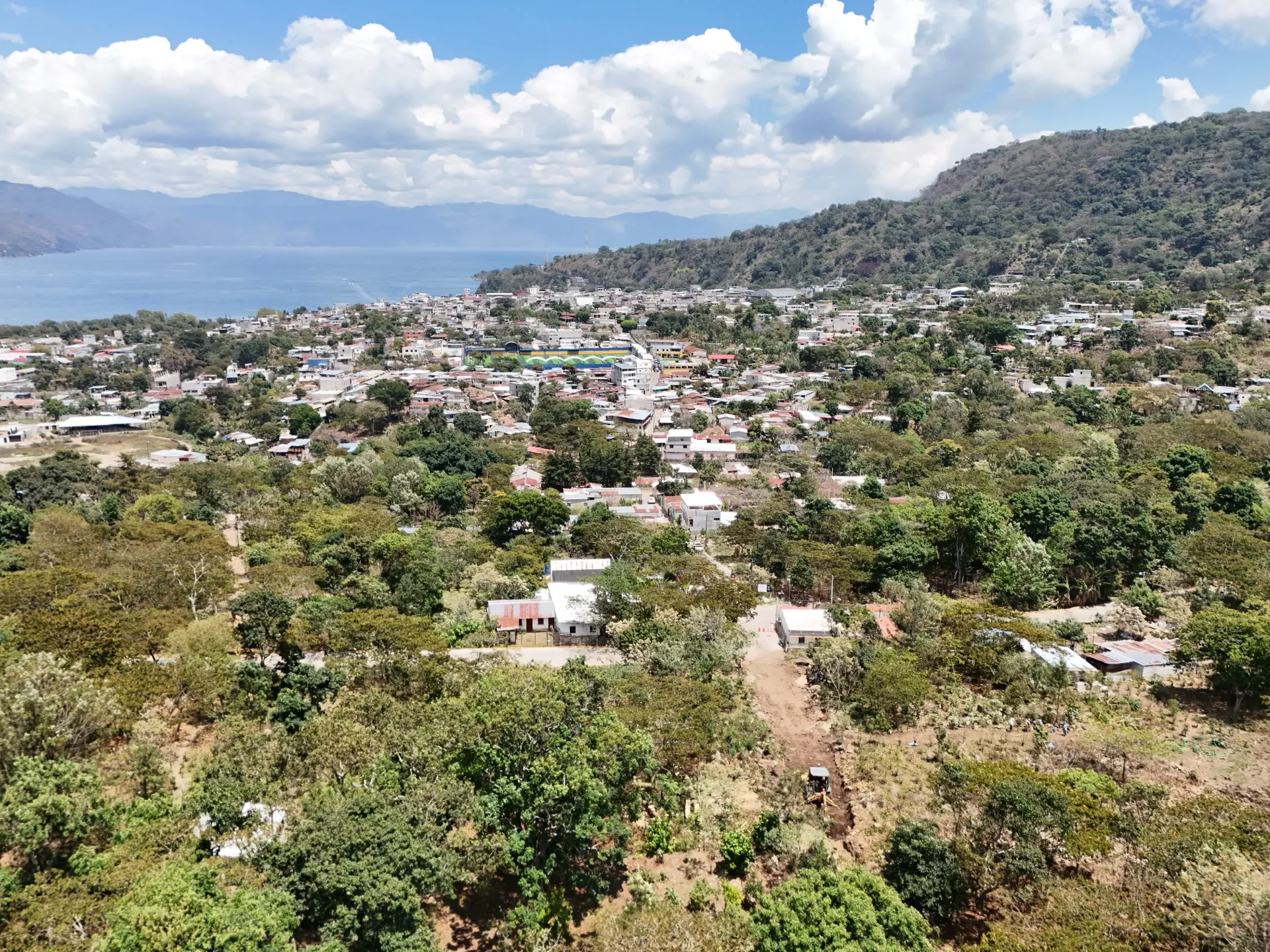
La lista de verificación de debida diligencia que separa a los compradores que cierran sin contratiempos de los que pierden su dinero. Qué revisa en realidad un estudio de título adecuado, los riesgos específicos del Lago de Atitlán y las preguntas que debe poder responder antes de firmar cualquier acuerdo.
Dos historias que conviene conocer antes de transferir un solo dólar en el Lago de Atitlán.
Un comprador adquirió un terreno frente al lago entre Tzununá y Jaibalito. Hizo un depósito de seis cifras y transfirió los fondos directamente al vendedor, quien compartía el apellido que figuraba en los documentos de la propiedad. Tranquilizado, se saltó la revisión de un abogado para ahorrar dinero. El vendedor no era el dueño de la propiedad. El dinero desapareció.
Un segundo comprador adquirió un lote con vista al lago en Pasajcap por $30,000, un poco por debajo del mercado, pero sin que resultara sospechoso. Pidió a un amigo que hablaba español que revisara los papeles en lugar de contratar a un abogado calificado. La transacción se sintió limpia. Cerca de un año después, cuando empezó a construir, llegaron veinte hombres con documentos legítimos que demostraban que eran los dueños legítimos. La obra se detuvo. La disputa era real.
En ambos casos la falla no tuvo nada que ver con la ley guatemalteca, que es suficiente. La falla fue saltarse al único profesional, un abogado local calificado, que habría detectado el problema en la primera hora de debida diligencia. Este artículo explica qué revisa ese profesional, cuáles son los riesgos de título específicos del Lago de Atitlán y las preguntas que todo comprador debe poder responder antes de firmar cualquier acuerdo.
Los dos compradores que perdieron dinero no se saltaron la debida diligencia porque fuera cara. Se la saltaron porque confiaron en la palabra de un vendedor, o en el español de un amigo, por encima de un proceso.
Por qué el título es más complejo aquí que en casi cualquier otro lugar de Guatemala
En la Ciudad de Guatemala o en Antigua, la mayoría de las transacciones involucran tierra titulada e inscrita en el Registro General de la Propiedad (RGP). El estudio de título es un proceso conocido con un resultado predecible. En el Lago de Atitlán, varias complicaciones se acumulan unas sobre otras.
Primero, el lago se ubica dentro de la zona de reserva constitucional de 200 metros, lo que significa que una gran proporción de la tierra frente al lago y cerca de él se administra a través de OCRET en lugar de mantenerse como título de plena propiedad. Segundo, una parte importante de la propiedad alrededor del lago, en particular dentro y cerca de las comunidades mayas, se mantiene como derecho de posesión (derecho de posesión) en lugar de título inscrito. Tercero, la ausencia de un mapeo catastral sistemático durante buena parte de la historia del lago hace que los reclamos sobrepuestos y las disputas de linderos no sean raros. Cuarto, generaciones de prácticas de transferencia informal (ventas de palabra, divisiones familiares nunca inscritas, propiedades vendidas por personas que no eran los dueños legales) han creado un rezago de complicaciones de título que todavía aparece en las transacciones de hoy.
Nada de esto hace del Lago de Atitlán un lugar que se deba evitar. Lo hace un lugar donde la debida diligencia no es opcional. Es un requisito de la transacción.
Las tres estructuras de propiedad que va a encontrar
Antes de que pueda comenzar cualquier revisión de título, necesita saber cuál estructura de propiedad aplica a la propiedad específica. Las tres no son intercambiables, y cada una conlleva riesgos, procesos de verificación e implicaciones distintas sobre lo que realmente está comprando.
Título de plena propiedad inscrito (finca registrada)
La estructura más sólida. La propiedad tiene un número de finca inscrito en el RGP, una cadena de título documentada, y el dueño posee la tierra en pleno dominio. Los estudios de título sobre propiedades inscritas son los más sencillos y los más confiables. Aun así surgen problemas (gravámenes, cargas, disputas de linderos, ventas no autorizadas dentro de las familias), pero el marco legal para resolverlos es claro.
Arrendamiento OCRET
Un arrendamiento del Estado en lugar de propiedad de la tierra subyacente. Como explicamos en nuestro desglose completo de OCRET en el Lago de Atitlán, el arrendamiento lo tiene una S.A. guatemalteca y está sujeto a tarifas anuales, aprobación de transferencia y restricciones de construcción. La pregunta de título para las propiedades OCRET no es si la tierra está titulada, sino si el arrendamiento está vigente, debidamente inscrito y es transferible. Un arrendamiento OCRET limpio, con tarifas pagadas y sin avisos pendientes, es una forma segura de tenencia. Uno con tarifas vencidas, una transferencia no aprobada o un subarrendamiento no autorizado es un problema serio.
Derecho de posesión (derecho de posesión)
La estructura más común y más malentendida en el lago. El derecho de posesión es un reclamo informal de ocupación basado en el uso prolongado y continuo, a menudo generacional, de la tierra. No es un título inscrito. El poseedor no puede señalar un número de finca en el RGP. Lo que sí puede señalar son años o décadas de uso documentado y no disputado.
Que una propiedad en posesión sea una compra aceptable depende por completo de los detalles: la profundidad y la documentación del historial de posesión, si la tierra está dentro de la zona OCRET, si existen reclamos en disputa conocidos y si la ruta hacia la regularización es clara y factible. Las propiedades en posesión no quedan descalificadas de manera automática, pero exigen más diligencia que las propiedades tituladas, no menos.
Qué revisa en realidad un estudio de título adecuado
Un abogado competente que hace la debida diligencia sobre una propiedad del Lago de Atitlán está corriendo cinco revisiones en paralelo, no una. Un comprador a quien solo le dijeron que "el título está limpio", sin entender qué se revisó en realidad, y quién lo hizo, no hizo debida diligencia. Recibió una descripción de la debida diligencia.
1. Cadena de título en el RGP
El abogado busca en el Registro General de la Propiedad para extraer el historial completo de propiedad de la finca inscrita: cada transferencia, cada anotación, cada instrumento inscrito hasta la inscripción original. Lo que busca es una cadena limpia y sin vacíos desde el vendedor actual hasta la titulación original: sin vacíos, sin períodos inexplicados de propiedad en disputa, sin anotaciones adversas. Un vacío en la cadena (una transferencia que nunca se inscribió, una herencia que nunca se tramitó formalmente) es una señal de alerta que exige explicación antes de mover dinero.
2. Búsqueda de gravámenes y cargas
La misma búsqueda en el RGP revela cualquier gravamen inscrito, hipoteca, fallo judicial, derecho de usufructo u otra carga. Una propiedad con una hipoteca o gravamen activo no puede transferirse limpiamente hasta que esas obligaciones se resuelvan, ya sea pagándolas al cierre con el producto de la venta, o liberándolas formalmente. Nunca asuma que la garantía verbal de un vendedor de que "no hay gravámenes" es suficiente. El registro es la única respuesta con autoridad.
3. Facultad legal del vendedor para vender
Esta es la revisión que falló en ambas historias al inicio de este artículo. El abogado debe verificar que la persona que ejecuta la venta tenga el derecho legal de hacerlo: que sea el propietario inscrito, o que tenga un poder válido y vigente otorgado por el propietario inscrito, o que sea el representante autorizado de una S.A. con un acta de junta debidamente constituida que autorice la venta. Compartir un apellido con la persona que figura en el documento no es autorización. Una fotocopia no es verificación. La búsqueda debe ir a las fuentes primarias.
4. Verificación del estado ante OCRET
Para cualquier propiedad dentro de la zona de reserva de 200 metros, una consulta directa de registros ante OCRET es obligatoria y separada de la búsqueda en el RGP. Esto confirma si existe un contrato de arrendamiento activo, si las tarifas están al día, el plazo y el estado de renovación, y si hay alguna acción de cumplimiento pendiente. La morosidad que aún no ha alcanzado el umbral de rescisión no aparecerá en el RGP: solo sale a la luz con una consulta directa ante OCRET.
5. Registros municipales y construcciones con permiso
El abogado debe verificar ante la municipalidad correspondiente que cualquier construcción existente se levantó con permisos válidos, y que no haya gravámenes municipales, atrasos de IUSI sin pagar ni infracciones de normas pendientes. Las construcciones sin permiso son más comunes de lo que los compradores esperan en el lago, y crean complicaciones que van desde la dificultad para obtener futuros permisos hasta problemas francos para transferir un arrendamiento OCRET. La revisión municipal no es vistosa, pero es esencial.
Derecho de posesión: cuándo es aceptable y cuándo no
Como las propiedades en posesión son tan frecuentes en el lago, los compradores necesitan un marco de análisis, no una regla absoluta.
La pregunta central: ¿qué tan profundo, documentado y no disputado es el historial de posesión? Una familia que ha ocupado y mejorado una propiedad de forma continua durante treinta años, cuyo reclamo reconocen los vecinos y la comunidad alrededor, y que puede presentar una cadena documentada de transferencias de posesión, está en una posición materialmente distinta a la de alguien que tiene un solo documento informal sin historial que lo respalde. La primera puede ser una compra aceptable al precio correcto y con una ruta clara hacia la regularización. La segunda es una transacción de alto riesgo que un comprador cuidadoso debería abordar con cautela.
Dos factores importan específicamente para las propiedades en posesión en el lago. Primero, la dinámica de la tierra comunal indígena crea una capa de complejidad que no existe en la mayor parte de la Guatemala urbana. Parte de la tierra en el lago y cerca de él se entiende dentro de las comunidades mayas como de tenencia comunal, aun sin un único dueño inscrito. Un vendedor que tiene la posesión individual de tierra que la comunidad alrededor considera comunal es una posible fuente de exactamente la disputa que llevó a veinte hombres con documentos a un sitio de construcción en Pasajcap. Un abogado, e idealmente un corredor con relaciones genuinas en la comunidad y conocimiento cultural, es esencial para evaluar estas situaciones.
Segundo, la posesión dentro de la zona OCRET conlleva una capa adicional de exposición. La tierra que se tiene por derecho de posesión dentro de los 200 metros del lago no tiene arrendamiento OCRET ni título inscrito. El reclamo subyacente del Estado está sin resolver, y la aplicación de OCRET va en aumento. Un comprador que adquiere posesión en esta zona debería comprender tanto la ruta de regularización como el riesgo de aplicación antes de comprometerse.
El marco correcto: el derecho de posesión no es una razón para retirarse de manera automática, es una razón para hacer más debida diligencia, no menos. Comprenda el historial completo de posesión, verifique que no haya reclamos en disputa mediante consultas en la comunidad, fije el precio en consecuencia y confirme con su abogado que la ruta de regularización es factible para su situación específica antes de pagar cualquier depósito.
¿Puede el derecho de posesión convertirse en título inscrito?
Sí, a través del proceso de título supletorio (título supletorio) de Guatemala. Un poseedor que pueda demostrar 10 años de posesión continua, pública, pacífica y de buena fe puede solicitar convertir el reclamo en una finca inscrita. Los requisitos son específicos: la posesión debe estar documentada, el reclamo no debe estar en disputa y la tierra debe ser elegible, es decir, que no esté ya titulada de forma privada ni dentro de reservas protegidas.
Hay una limitación crítica para los compradores extranjeros: solo los ciudadanos guatemaltecos o las entidades jurídicas de mayoría guatemalteca pueden solicitar el título supletorio. Un individuo extranjero no puede solicitarlo directamente. Una S.A. guatemalteca con propiedad mayoritariamente guatemalteca sí puede. La ruta de la posesión al título, si es que existe, pasa por una estructura legal específica, no por un simple trámite del comprador.
Para los compradores que evalúan una propiedad en posesión, esto importa de dos maneras: si el vendedor actual tiene la legitimación y la documentación para tramitarlo antes del cierre o al cierre, y si la propia estructura legal del comprador puede sostener el título resultante si pretende formalizarlo después de la adquisición. Su abogado necesita trazar esto de forma explícita antes de que usted firme cualquier cosa. Los compradores extranjeros que sopesan la cuestión de la S.A. de forma más amplia también deberían leer nuestra guía completa para comprar propiedad en Guatemala como extranjero.
Señales de alerta de título que deberían detener un negocio
- Vacío en la cadena de título — cualquier transferencia que nunca se inscribió en el RGP. A un vendedor que no puede explicar un vacío no se le debe pagar un depósito.
- El vendedor no puede demostrar facultad para vender — un apellido compartido, una fotocopia o un acuerdo verbal con un pariente no son suficientes.
- Gravámenes activos o cargas sin resolver — una hipoteca, una anotación judicial o un usufructo inscrito deben quedar liberados antes del cierre o al cierre, nunca después.
- Tarifas de OCRET en mora — cualquier atraso no subsanado formalmente se convierte en responsabilidad del comprador si no se resuelve al cierre.
- Reclamos en disputa o conflictos de linderos conocidos — no siempre aparecen en el RGP. La consulta en la comunidad es parte de la revisión.
- Construcción significativa sin permiso — evalúe la ruta de regularización y el costo antes de fijar el precio de la propiedad.
Preguntas que todo comprador debe poder responder antes de firmar
Estas no son preguntas para hacerle al vendedor. Son preguntas que su abogado debería poder responder a partir de verificación con fuentes primarias antes de firmar cualquier acuerdo vinculante:
- ¿Está la propiedad inscrita en el RGP? Si es así, ¿cuál es el número de finca y cuándo fue la última transferencia?
- ¿Está la cadena de título completa y sin vacíos hasta la inscripción original?
- ¿Hay gravámenes, hipotecas, anotaciones o cargas inscritas?
- ¿Es la persona que firma el acuerdo el propietario inscrito? Si no, ¿he revisado el poder original y notariado que la autoriza a vender?
- ¿La propiedad cae dentro de la zona OCRET de 200 metros? Si es así, ¿hay un contrato OCRET activo y al día, con todas las tarifas confirmadas como vigentes directamente con OCRET?
- Si es una propiedad de derecho de posesión, ¿cuál es el historial de posesión documentado y hay reclamos en disputa conocidos?
- ¿Se ha verificado que las construcciones existentes tienen permisos en regla ante la municipalidad? ¿Hay atrasos de IUSI pendientes?
La regla: no debe pagarse ningún depósito, ni firmarse ninguna promesa, hasta que su abogado pueda responder cada pregunta de esta lista a partir de fuentes primarias, no de las representaciones del vendedor. El costo de obtener estas respuestas es de unos cientos de dólares. El costo de no obtenerlas puede ser todo lo que pagó.
Preguntas frecuentes
¿Cómo verifico si una propiedad tiene un título limpio en Guatemala?
A través de una búsqueda en el Registro General de la Propiedad (RGP), el registro nacional de propiedad de Guatemala. Esta búsqueda extrae el historial completo de propiedad, cualquier gravamen o carga inscrita y cualquier anotación sobre el inmueble. Para propiedades dentro de la zona OCRET también se requiere una consulta directa por separado ante OCRET, porque el RGP no refleja el estado del arrendamiento ni los pagos atrasados. Ambas revisiones deben hacerse por un abogado calificado antes de firmar cualquier promesa de compraventa.
¿Qué es el derecho de posesión y debería comprar una propiedad que lo tiene?
El derecho de posesión (derecho de posesión) es un reclamo informal de ocupación basado en el uso prolongado de la tierra, sin un título inscrito. Es muy común en el Lago de Atitlán, en particular dentro y cerca de las comunidades mayas. Que una propiedad en posesión valga la pena comprar depende por completo de la situación específica: la profundidad y la documentación del historial de posesión, si existen reclamos en disputa y si la ruta hacia la regularización es clara. No descarta automáticamente el negocio, pero exige más diligencia que una propiedad titulada, no menos. Nunca compre una propiedad en posesión sin un abogado con experiencia específica en este tipo de reclamo en el lago.
¿Puede un familiar vender una propiedad en nombre del propietario inscrito?
Solo con un poder notarial (poder notarial) válido, vigente y notariado que autorice específicamente la venta. Compartir un apellido con el propietario inscrito no es una autorización legal. Tener una fotocopia de un documento no es una autorización legal. Su abogado debe revisar el poder original y verificar que esté vigente y debidamente otorgado antes de que la transacción avance. Ambos casos al inicio de este artículo se remontan a una falla de verificación: confiar en una representación por encima de una revisión con fuentes primarias.
¿Qué pasa si compro una propiedad y otra persona alega ser el dueño legítimo?
Si la propiedad estaba inscrita y se transfirió debidamente mediante una escritura notariada e inscrita en el RGP, el sistema registral de Guatemala brinda una protección sólida y un título inscrito es difícil de impugnar. El riesgo es mayor con propiedades en posesión no inscritas y con transacciones hechas sin la documentación legal adecuada. Una vez que surge una disputa, la resolución pasa por el sistema judicial guatemalteco, que es lento y costoso. La situación es casi por completo evitable con una debida diligencia competente antes del cierre, y muy difícil de resolver después.
¿Son comunes las construcciones sin permiso en el Lago de Atitlán y realmente importan?
Sí, son comunes, y sí, importan. Las construcciones levantadas sin permisos municipales y, cuando corresponde, sin autorización de OCRET, crean complicaciones para futuras solicitudes de permiso, pueden afectar la posibilidad de transferir un arrendamiento OCRET y se convierten en responsabilidad del comprador en el momento en que toma posesión. Antes del cierre, su abogado debe verificar el estado de los permisos de todas las construcciones existentes ante la municipalidad. Donde haya trabajo sin permiso, comprenda la ruta de regularización e incorpore el costo en su oferta.
¿Basta con un amigo que hable español para revisar los documentos de una propiedad?
No. Revisar los documentos de una propiedad requiere conocimiento del sistema registral de Guatemala, de las regulaciones de OCRET, de las disposiciones del Código Civil que rigen la posesión y la transferencia, y de las revisiones de debida diligencia específicas que aplican a las transacciones en la zona del lago. Un amigo bilingüe puede traducir palabras. No puede hacer un estudio de título, verificar la facultad del vendedor, revisar el estado ante OCRET ni identificar un vacío en la cadena de título. Los dos casos de este artículo involucraron a compradores que sustituyeron un atajo por un abogado calificado. Ambos perdieron dinero.
La debida diligencia no es una casilla que marcar, es la transacción
El marco legal para la propiedad en Guatemala es sólido. El registro de la propiedad funciona. OCRET, sea cual sea su complejidad administrativa, otorga derechos de arrendamiento exigibles. El derecho de posesión tiene reconocimiento legal bajo la ley guatemalteca. Ninguna de las estructuras que los compradores encuentran en el Lago de Atitlán es peligrosa por sí misma.
Lo que crea riesgo es saltarse el proceso que hace legibles estas estructuras. Un estudio de título toma días y cuesta unos cientos de dólares. Un abogado que entienda las transacciones de la zona del lago cobra un honorario modesto en relación con cualquier precio de compra significativo. Los dos compradores al inicio de este artículo no se saltaron la debida diligencia porque fuera cara. Se la saltaron porque confiaron en la representación de un vendedor, o en el español de un amigo, por encima de un proceso.
En Atitlan Properties, una primera revisión del estado del título y de OCRET está incorporada en cada propiedad que presentamos a nuestros clientes compradores VIP en nuestra lista corta. No llevamos a un comprador a una propiedad que no haya superado el umbral básico de revisabilidad legal. Cuando representamos a un cliente para comprar, pasamos a una revisión legal más exhaustiva que produce una respuesta documentada para cada pregunta de la lista de arriba: unos cientos de dólares que reafirman el viejo dicho del desarrollo inmobiliario: el mejor negocio que hará en su vida es el que no hace. Si quiere esa capa de precalificación en cada propiedad que considere, escríbanos para conversar sobre el Programa de Compradores VIP.
Fuentes y referencias
Código Civil de Guatemala — Artículos 612–620: Posesión y usucapión
Constitución Política de la República de Guatemala, Artículo 122 — Reservas Territoriales del Estado
Decreto 126-97, Ley Reguladora de las Áreas de Reservas Territoriales del Estado de Guatemala
Registro General de la Propiedad de Guatemala: https://www.rgp.org.gt/
Harvard Law School — The Reform of Property Registration Systems in Guatemala: A Status Report (antecedentes sobre el proceso de título supletorio)
Stefan Bird, Atitlan Properties — experiencia transaccional y práctica de campo en el Lago de Atitlán
Este artículo es de naturaleza educativa y no constituye asesoría legal. Los problemas de título en Guatemala varían de manera significativa según la propiedad y la situación. Consulte a un abogado guatemalteco colegiado antes de firmar cualquier promesa de compraventa.