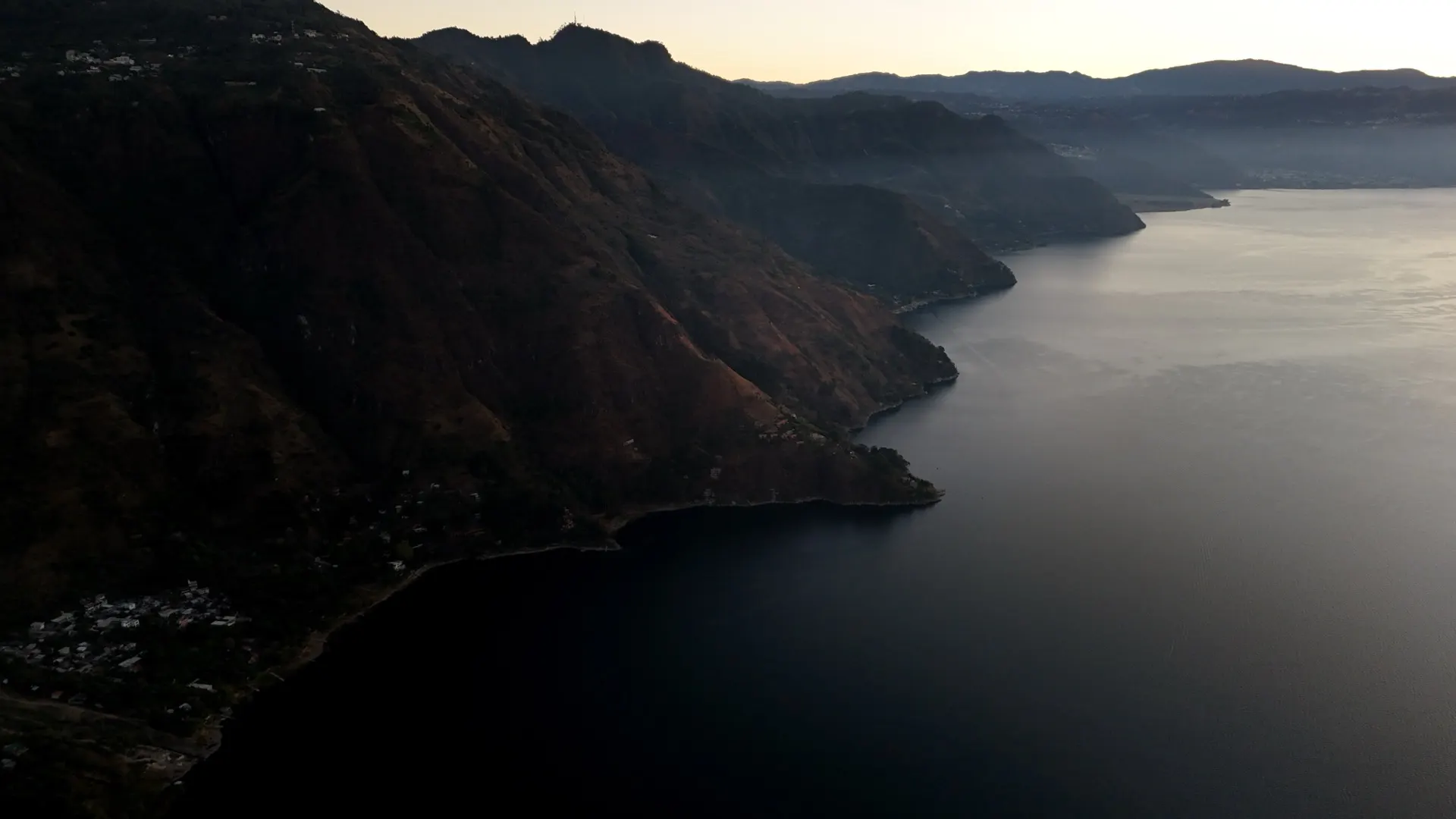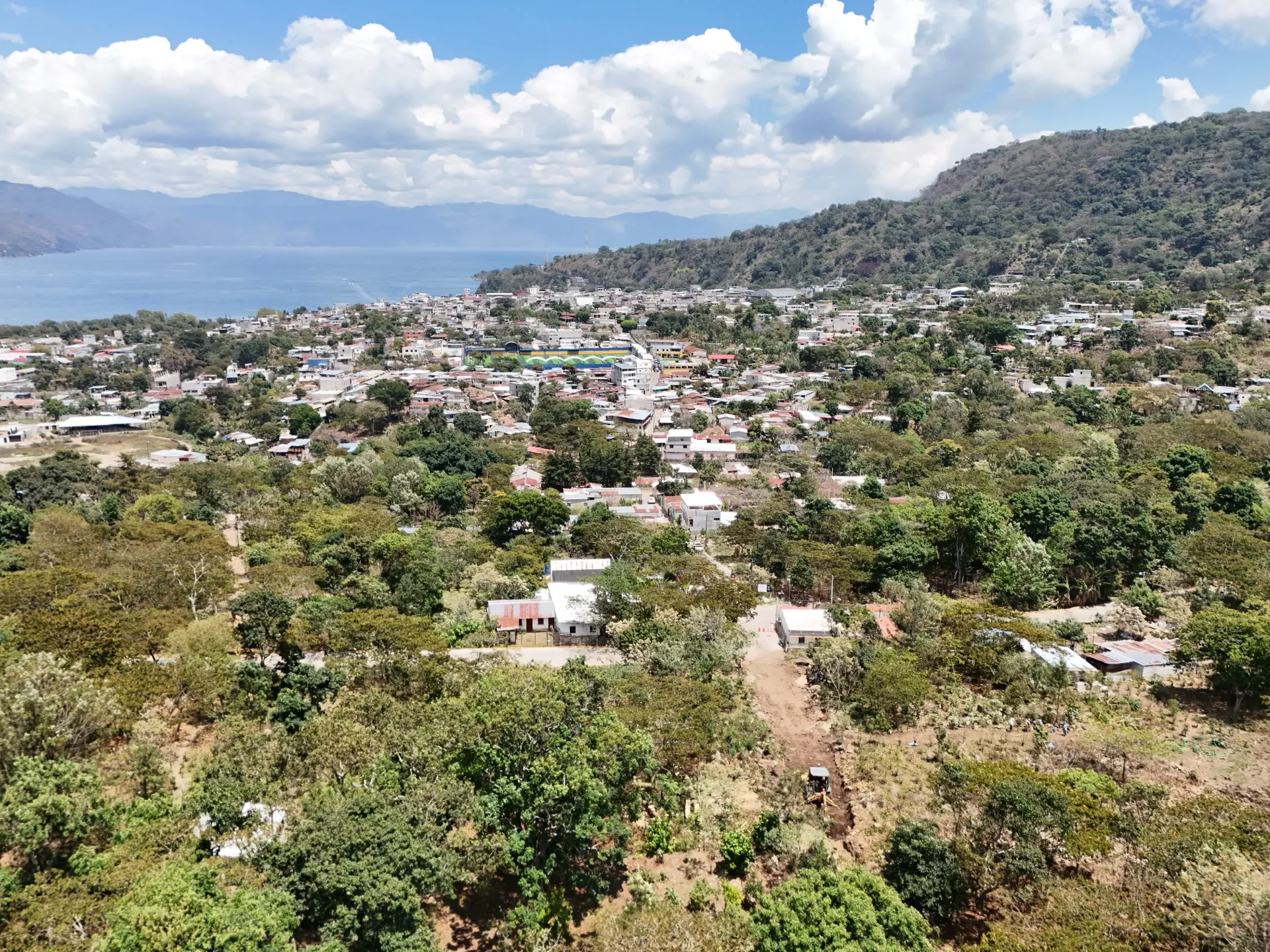
What the national rules are, how they apply at Lake Atitlán, and what the process actually looks like from offer to close — for foreign buyers who want to get it right the first time.
Guatemala has some of the most foreigner-friendly property laws in Central America. You do not need residency. You do not need a local partner. You do not need government approval. The constitution grants foreigners the same property rights as Guatemalan nationals, with one meaningful exception that applies specifically to certain lakefront parcels.
That exception matters at Lake Atitlán. Understanding it is the difference between a smooth transaction and a deal that falls apart during due diligence. This guide covers both the general rules and the lake-specific realities you need to know before you start looking.
Guatemala's constitution grants foreigners the same property rights as nationals. At the lake, the key variable is land type — and most buyers don't know to ask.
The Three Land Types at Lake Atitlán
Before you can understand the buying process, you need to understand what you're actually buying. At Lake Atitlán, there are three distinct land categories, and each has different legal implications for foreign buyers.
1. Titled Private Land
Titled land is the most straightforward. The seller holds a registered deed (escritura) in their name, and the property has a clean title in the property registry. As a foreigner, you can purchase titled land and hold it directly in your personal name, just as a Guatemalan national would. Many buyers also choose to hold titled property through a Guatemalan S.A. (corporation) for estate planning and resale flexibility — but it is not legally required.
2. OCRET Leasehold
OCRET (Oficina de Control de Reservas Territoriales del Estado) land sits within the 200-meter constitutional reserve zone measured from the lake's shoreline. The state retains ownership of this strip; what buyers acquire is a long-term use-right contract — typically renewable in 25-year terms — not fee-simple title. As a foreigner, you cannot hold an OCRET contract in your personal name. A Guatemalan S.A. is required as the contracting entity. Annual fees typically run $300 to $1,000 depending on parcel size and location. Many of the most desirable lakefront properties in Guatemala sit on OCRET land — the leasehold structure is normal and widely understood, but it requires experienced legal counsel to navigate correctly. For a deeper look, see our full breakdown of OCRET at Lake Atitlán.
3. Right of Possession
Derecho de posesión (right of possession) is unregistered land where the occupant has established a documented claim through long-term use but does not yet hold a registered deed. These properties can be purchased, and the right of possession can eventually be converted to full title — but the process is complex, legally sensitive, and not appropriate for buyers without experienced legal support and a long time horizon. Buyers should be cautious and conduct thorough legal due diligence before proceeding with any right-of-possession purchase.
Guatemalan S.A. required
Annual fee: $300–$1,000
Personal name or S.A.
High legal complexity
How the Transaction Process Works
A real estate transaction in Guatemala follows a logical sequence. Knowing the steps before you start saves time and prevents the most common sources of delay.
Letter of intent. Most transactions begin with a non-binding LOI that establishes the key terms: price, deposit amount, due diligence period, and target close date. This protects both sides before anyone spends money on legal review.
Promesa de compraventa. Once terms are agreed, buyer and seller sign a formal purchase promise agreement. This is the binding commitment. A deposit — typically 10% to 20% of the purchase price — is paid at signing. The promesa defines the conditions that must be met before closing and specifies what happens if either party defaults.
Due diligence. This is where title verification happens. Your attorney searches the property registry, confirms there are no liens or encumbrances, verifies that all co-owners have signed, and checks for any legal complications. For OCRET properties, this also includes verifying the status of the use-right contract with the OCRET office. Run due diligence in parallel with your NIT application — do not wait for one to complete before starting the other.
NIT application. Every property buyer needs a Guatemalan tax identification number (NIT) from SAT before the escritura can be signed. You do not need residency — a valid passport is sufficient. Apply early. This is a hard dependency and the single most common source of closing delay for foreign buyers who didn't start in time.
Escritura and registration. The escritura is the notarized closing document signed before a Guatemalan notary. Once signed, it is filed with the property registry. Full registration typically takes two to four additional weeks. The transaction is legally complete at signing, but the registered title reflects ownership from the registration date.
What Does It Cost to Close?
Closing costs in Guatemala are modest by international standards. Budget for the following on a typical titled transaction.
Declared escritura value may differ from actual sale price. Transfer tax is calculated on the declared value. Consult your attorney on implications for your specific transaction.
Should You Use an S.A.?
For OCRET properties, the Guatemalan S.A. is not optional — it is legally required as the contracting entity. For titled land, it is a strategic choice.
The advantages of holding titled property through an S.A. include simpler estate transfer (shares transfer without a new escritura), potentially easier resale to foreign buyers who prefer the S.A. structure, and cleaner separation between personal and property assets. The disadvantages are formation cost ($1,000 to $2,500 typically), annual accounting obligations, and an additional layer of administration.
Most serious foreign buyers holding lake property for investment or long-term use choose the S.A. structure. Most buyers purchasing a primary residence for personal use hold in their personal name. There is no universal right answer — your attorney and accountant should weigh in based on your specific situation.
This post is informational only and does not constitute legal advice. Property transactions in Guatemala involve legal complexities that require experienced local legal counsel. Always retain a qualified Guatemalan attorney before signing any agreement or transferring any funds.
Frequently Asked Questions
Do I need to be a resident of Guatemala to buy property?
No. Guatemala imposes no residency requirement for foreign property buyers. You can purchase, own, and hold property as a non-resident with only a valid passport and a NIT. If you cannot be present in Guatemala to sign closing documents, a properly authenticated power of attorney allows a local representative to sign on your behalf.
Can I buy property at Lake Atitlán in my own name as a foreigner?
For titled property outside the constitutional reserve zone, yes — you can hold directly in your personal name. For OCRET leasehold properties, which cover most lakefront parcels, a Guatemalan S.A. is required as the contracting entity. Many buyers also choose the S.A. structure voluntarily for titled properties, for the estate planning and resale advantages it provides. Your attorney will advise on what applies to your specific property.
What is a NIT and do I need one to buy property?
A NIT (Número de Identificación Tributaria) is a Guatemalan tax identification number issued by SAT. It is required for any property transaction. You do not need residency to obtain one — a valid passport is sufficient. Apply well in advance of your closing date, as obtaining the NIT takes time and is a hard dependency before the escritura can be signed.
Is seller financing common at Lake Atitlán?
Yes, particularly for larger properties. A typical installment structure involves a significant deposit at signing with the balance paid over one to five years, sometimes longer. Seller financing terms are entirely negotiated — there is no standard structure. For buyers who cannot or prefer not to close all-cash, it is worth raising the question early in negotiation.
How do I know if a property has a clean title?
You don't — until your attorney checks. Title verification requires searching the property registry for liens, encumbrances, and co-owners, and confirming that the seller has the legal authority to sell. Guatemala's title history is complex in many areas around the lake, including co-ownership situations and historical community land claims. This is not a step to skip or shortcut. A reputable broker will not present a property to buyers without an initial review, but your independent legal counsel must conduct their own verification before you sign anything binding.
What should I ask a broker who claims to have off-market access?
Ask specifically how they source properties. A broker with genuine off-market access can describe their network — the relationships with local families, the scout contacts, the municipal connections that surface properties before they are ever listed. Ask if they can describe a specific off-market property they have sourced and how they found it. Ask what their title verification process is before presenting a property to buyers. The answers will tell you quickly whether you are talking to someone with real market depth or someone reposting listings that are already everywhere else. Many of the best properties at Lake Atitlán never reach a public listing — see why the best properties on Lake Atitlán are never listed.
The Bottom Line
Buying property in Guatemala as a foreigner is genuinely accessible. The legal framework is favorable, the process is navigable, and the market at Lake Atitlán rewards buyers who approach it with the right preparation and the right team.
The variables that trip up foreign buyers are not the big things — they are the details. Which land type is the property? Is the title clean? Are all co-owners accounted for? Has the NIT application been started? These are solvable problems when you know to ask for them early.
At Atitlan Properties, every property we present to buyers has gone through an initial legal and title review before we ever make a showing. Our VIP Buyer Experience is built around making sure you have the right information before you fall in love with a property — not after.