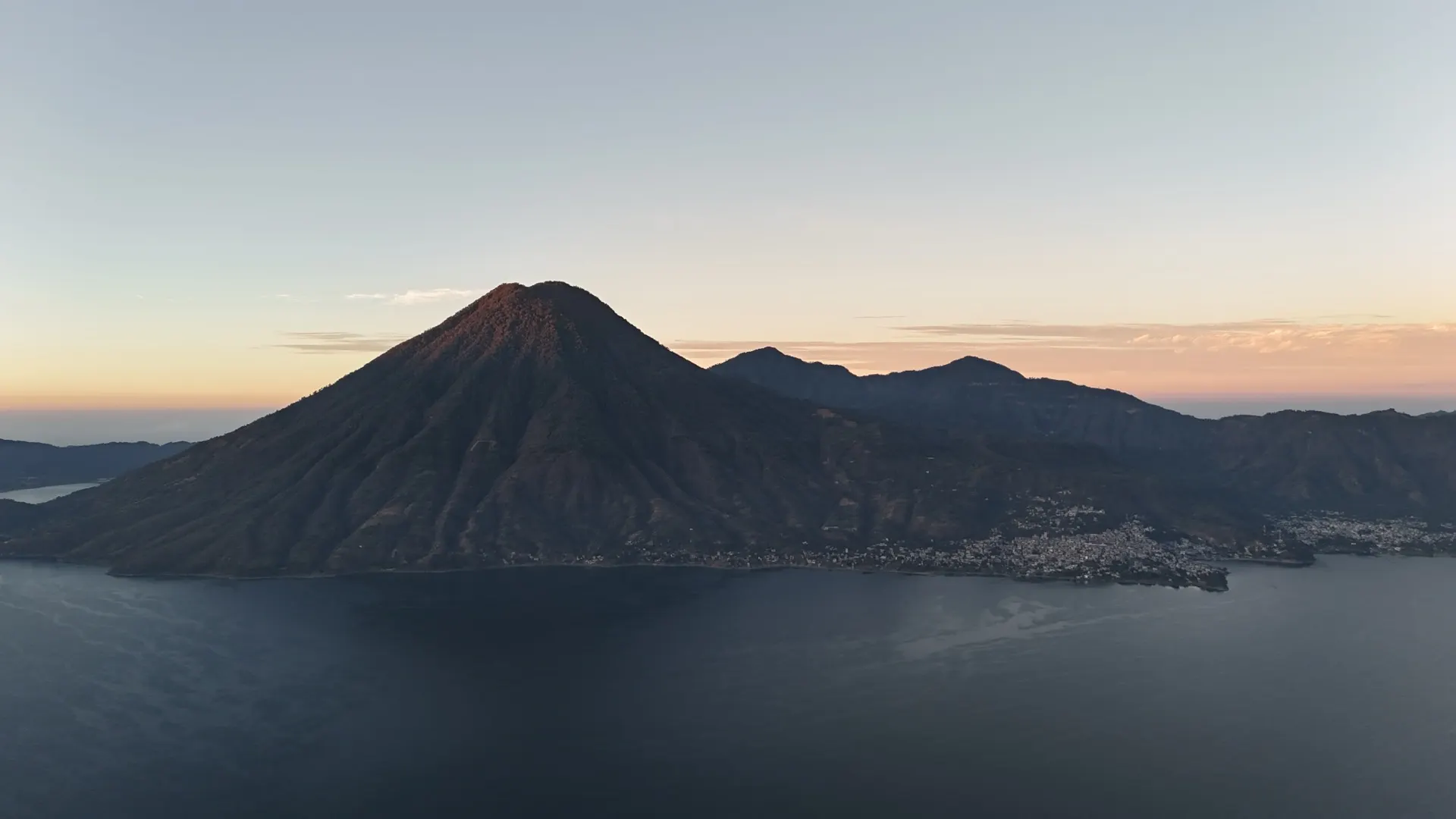
Why the real inventory at Lake Atitlán never shows up on broker websites — and how to actually access it.
If you've spent any time searching for property at Lake Atitlán online, you've probably noticed something strange. The same listings appear on multiple broker websites. The photos are identical. The prices occasionally differ. You refresh the search a week later and the inventory looks almost exactly the same.
That's not a coincidence. And it's not because there's nothing available.
It's because the properties worth buying — the waterfront parcels, the hillside land with unobstructed volcano views, the expat compounds changing hands after a decade of ownership — almost never appear online at all. By the time a property reaches a listing site, it has usually already passed through a quiet conversation, a local network, or a handshake between people who knew before anyone else did.
If you're searching online, you're shopping the leftovers.
Why Atitlán Is Structurally Different From Every Market You've Bought In Before
Understanding why the best properties stay off-market requires understanding something fundamental about Lake Atitlán: this is not a real estate market that was designed for buyers like you.
There is no MLS — no centralized listing database, no shared inventory system, no mechanism that compels a seller or their broker to publish a property publicly. In North American and European markets, the infrastructure of real estate pulls properties onto the open market almost automatically. That infrastructure does not exist here.
There are no county assessor records or property appraiser databases. In the U.S., you can look up every parcel in a county, see its last sale price, and identify who owns what. At Lake Atitlán, that layer of public transparency simply doesn't exist. Ownership is recorded in the national registry, but it's not searchable in the way North American buyers expect.
Title culture at the lake is informal by regional standards. Many parcels have complicated histories — boundaries established by custom rather than survey, inheritance splits across multiple family members, land that has passed through generations without a formal deed transfer at every step. Sellers navigating this complexity often prefer quiet conversations with trusted intermediaries over public exposure that invites scrutiny.
Then there is the Maya land dynamic. A significant portion of the land around the lake is indigenous community land — passed through families for generations, sold when economic circumstances require it, and almost never listed publicly. These sellers don't post on websites. Many don't have reliable internet access. The transaction, when it happens, moves through local relationships and community knowledge. A broker without deep roots in the villages simply never hears about it.
And finally, expats and long-term foreign owners — the people who bought and built a decade ago when the lake was less discovered — tend to sell the same way they bought: through their network. They tell the people they know. The right buyer appears. The property never needs to be listed.
The Three Types of Off-Market Properties at the Lake
Not all off-market inventory is the same. Understanding the categories helps you understand what you're actually trying to access.
Family and community land being sold quietly. This is the largest category and the most inaccessible to outside buyers operating on their own. Multigenerational Maya families selling parcels — whether out of necessity, opportunity, or estate division — do so through community channels. The transaction is handled by people who have earned trust over years of presence. Price expectations, land boundaries, and legal structure all require local knowledge to navigate. These properties are genuinely invisible to anyone who arrives at the lake and opens a browser.
Expat-held properties being circulated through private networks. When a foreigner who has owned for years decides to sell, they typically tell their community first — the neighbors, the trusted local broker, the friend who mentioned having a buyer. These properties may be exceptional — custom-built, permitted, with clear title — but they move before any public listing is considered necessary. The window is short and entirely relationship-dependent.
Development parcels that never surface publicly. Larger land holdings — the kind appropriate for a retreat center, a small community, or a boutique hospitality project — are rarely listed. Sellers of significant parcels prefer discretion. They don't want unknown parties walking the land or speculative inquiries from unqualified buyers. These properties circulate among a very small network of brokers and developers who are known to work at that scale.
What This Means for You as a Buyer
If you've been building a search strategy around listing portals, you're working with a fundamental disadvantage that has nothing to do with budget or intent.
When you see the same property appear on two different broker websites with different prices and slightly different descriptions, that's not a coincidence either — it's a symptom of the same dynamic. In a market without an MLS, brokers sometimes independently list the same property, each with their own arrangement with the seller. The duplication itself is a signal: this is a property that needed marketing because it couldn't move through a private network. Draw your own conclusions about why.
The properties that move quietly — the ones that never need a listing — are a different category of asset entirely.
Consider Pasajcap, a private ridge community on the south shore with some of the most compelling lake and volcano views on the water. Search online today and you'll find three properties listed across all public platforms. Through the Atitlan Properties VIP Buyer Program and our private network, there are currently eight to ten properties actually available for sale on this ridge. Same location. The gap between what's listed and what's available is not the exception at Lake Atitlán. It's the rule.
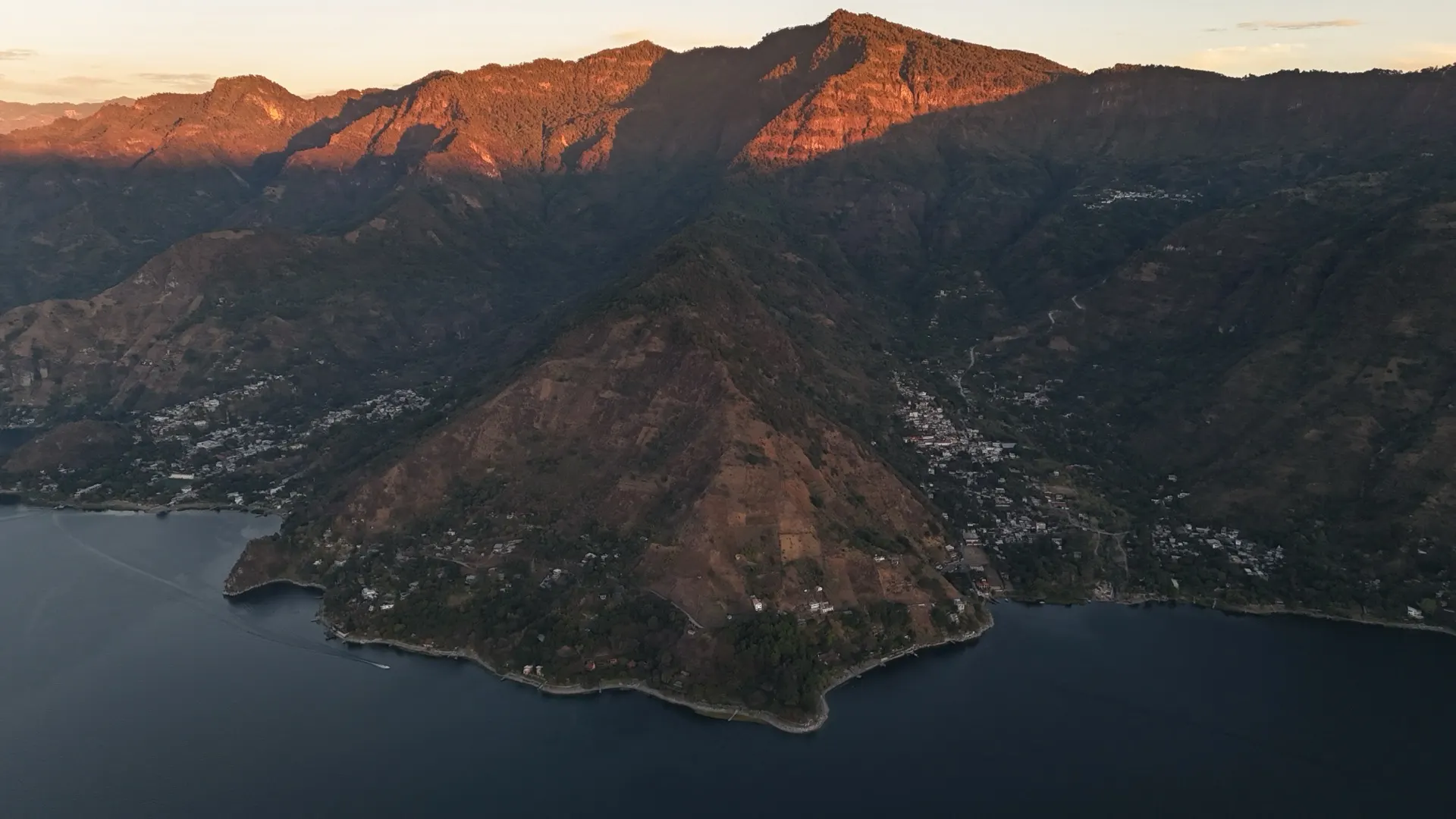
Pasajcap at sunrise — three properties listed online, eight to ten actually available. This is what the off-market reality looks like at Lake Atitlán.
How to Access the Private Market
The honest answer is that you can't do it alone, and you can't do it quickly.
Access to off-market property at Lake Atitlán requires a broker with genuine relationships in the villages and communities around the lake — not a website presence, but real bilingual roots, community knowledge, and the kind of local intelligence that only comes from living and working here. It requires someone who hears about family land before it's offered, who knows which expat properties are quietly available, and who operates at the scale where development parcels circulate.
It also requires you to be the kind of buyer a seller wants to sell to. Off-market sellers are not maximizing exposure — they're selecting for the right buyer. That means arriving with clear parameters, financial readiness, and a willingness to move when the right opportunity appears. Hesitation kills off-market deals.
At Atitlan Properties, our VIP Buyers Program is built specifically for this. Before we discuss a single listing, we invest time understanding what you're actually looking for — location, use, scale, budget, timeline. That profile becomes the brief we take into our private network. When something moves that matches, you hear about it first.
Ready to Stop Shopping the Leftovers?
If you're serious about finding the right property at Lake Atitlán — not just what's available online, but what's actually available — the first step is a conversation.
Apply for the VIP Buyers Program or reach out directly to discuss what you're looking for. The best properties don't wait. Neither should you.
Frequently Asked Questions
Is there an MLS in Guatemala?
No. Guatemala has no Multiple Listing Service — no centralized database that compels brokers to share inventory publicly. This is not a gap that's being filled anytime soon; it's a structural feature of the market. In practice it means there is no single place to search all available properties, no standardized pricing transparency, and no mechanism preventing the same property from appearing on multiple broker sites simultaneously with different prices. For buyers, it means the only way to access the full inventory is through a broker with genuine local relationships — not a portal.
Can foreigners buy property at Lake Atitlán?
Yes. Foreigners have the same property ownership rights as Guatemalan citizens in most situations. There is no residency requirement, no special permit, and no restriction on the amount of property a foreigner can own. The one meaningful exception is waterfront property — land within 200 meters of the lakeshore falls under OCRET (Oficina de Control de Áreas de Reserva del Estado), the government body that administers state reserve land. OCRET properties are held under government lease rather than outright title. This does not prevent foreigners from owning or transacting these properties, but it requires understanding the lease structure before purchasing. We cover OCRET in detail in a dedicated post.
Why do I see the same property listed on multiple broker websites?
Because there is no MLS, brokers at Lake Atitlán sometimes independently secure listing arrangements with the same seller and market the property simultaneously — often with different prices, different descriptions, and different photos. This is a symptom of an uncoordinated market, not a sign that a property is widely available or competitively priced. In fact, the opposite is often true: properties that appear on multiple public sites are the ones that couldn't sell quietly through a private network. The best properties rarely need public marketing at all.
What is a pocket listing — and how does it work at Lake Atitlán?
A pocket listing is a property for sale that is not publicly advertised — shared only within a broker's private network of qualified buyers. In the U.S., pocket listings are a strategic choice some sellers make for privacy or convenience. At Lake Atitlán, the concept goes further: the off-market dynamic is not a choice for most sellers, it's the default. The absence of an MLS, the informal nature of many transactions, the preference of indigenous landowners to always have land informally for sale, and the tight expat networks through which properties circulate all mean that the private market here is structurally larger than the public one. Pocket listings aren't the exception at the lake. They're most of the market.
How do I find off-market property at Lake Atitlán?
The short answer: you need a broker who is embedded in the communities around the lake — not just someone with a website and a listings page. Off-market inventory moves through relationships, not platforms. A broker with bilingual community roots, active village-level networks, and a track record of working at the development and retreat scale will hear about properties that never surface publicly. The Atitlan Properties VIP Buyer Program is designed specifically for this: we build a detailed brief around your criteria and take it into our private network. You hear about opportunities before they're offered to anyone else and can then compare them against the ones that are.
What is right of possession and how does it affect buying at the lake?
Right of possession (derecho de posesión) is a form of land tenure common at Lake Atitlán in which a person or family has long-standing, documented use and occupation of land without holding a formal registered title. It is not the same as squatting — possession rights are legally recognized in Guatemala and can be bought, sold, and inherited. However, they carry more legal complexity than titled property and require careful due diligence. An estimated 80% of waterfront land at the lake is held in some form of possession rather than full registered title, which is one reason why transactions here move quietly and require a broker who understands the local legal landscape.
How many properties are actually available at Lake Atitlán right now?
Far more than what appears online. Public listing sites and broker portals show a fraction of what is genuinely for sale at any given time. Pasajcap is a useful illustration: at the time of writing, three properties appear across all public platforms for this ridge. Through our private network, we are aware of eight to ten properties on the same ridge that are available to the right buyer. That ratio — three listed, eight to ten actually available — is not unusual for sought-after areas at the lake. The gap between the public market and the real market is wide, and navigating it requires access, not just a search engine.